The Ultimate Nepal Trekking Guide: Best Treks, Costs, Permits & Complete 2026 Guide
Every year, hundreds of thousands of trekkers visit Nepal's mountains. Yet many show up unprepared, not because the trails are hard to follow, but because they never got clear answers to practical questions before their trip. How much should you budget? Which permits do you actually need? What happens if you get altitude sickness at 5,000 meters?
This guide will answer those questions and cover some that are often missed, like where to find kosher food, how to plan for Shabbat, women's safety, and family-friendly options. Whether you want to reach Everest Base Camp, hike the Annapurna Circuit, or try a quieter trail, you'll find everything you need to plan your trek.
Key Takeaways
- The best treks in Nepal follow four main routes: Everest Base Camp, Annapurna Base Camp, the Annapurna Circuit, and the Manaslu Circuit. Each trek takes between 7 and 18 days, depending on which one you choose.
- A typical 10 to 14-day trek costs between $1,000 and $1,800, which covers permits, a guide, food, and accommodation. If you are on a budget, you can get by on $35 to $50 per day.
- You must have the right permits, such as a TIMS card, Sagarmatha National Park Permit, ACAP, or a Restricted Area Permit, depending on where you trek. Arrange these through a licensed agency to avoid any delays.
- Altitude sickness can affect anyone, no matter how fit you are. The best way to stay safe is to ascend slowly, include acclimatization days, and travel with an experienced guide.
- In addition to the usual teahouse experience, Nepal trekking packages now offer luxury upgrades, fully private itineraries, and family-friendly routes for children as young as five or six.
- Jewish and Israeli travelers can arrange kosher food, Shabbat rest days, and a Hebrew-speaking guide in Nepal by working with a specialized agency. This trekking guide explains how to set it up.
Trekking in Nepal
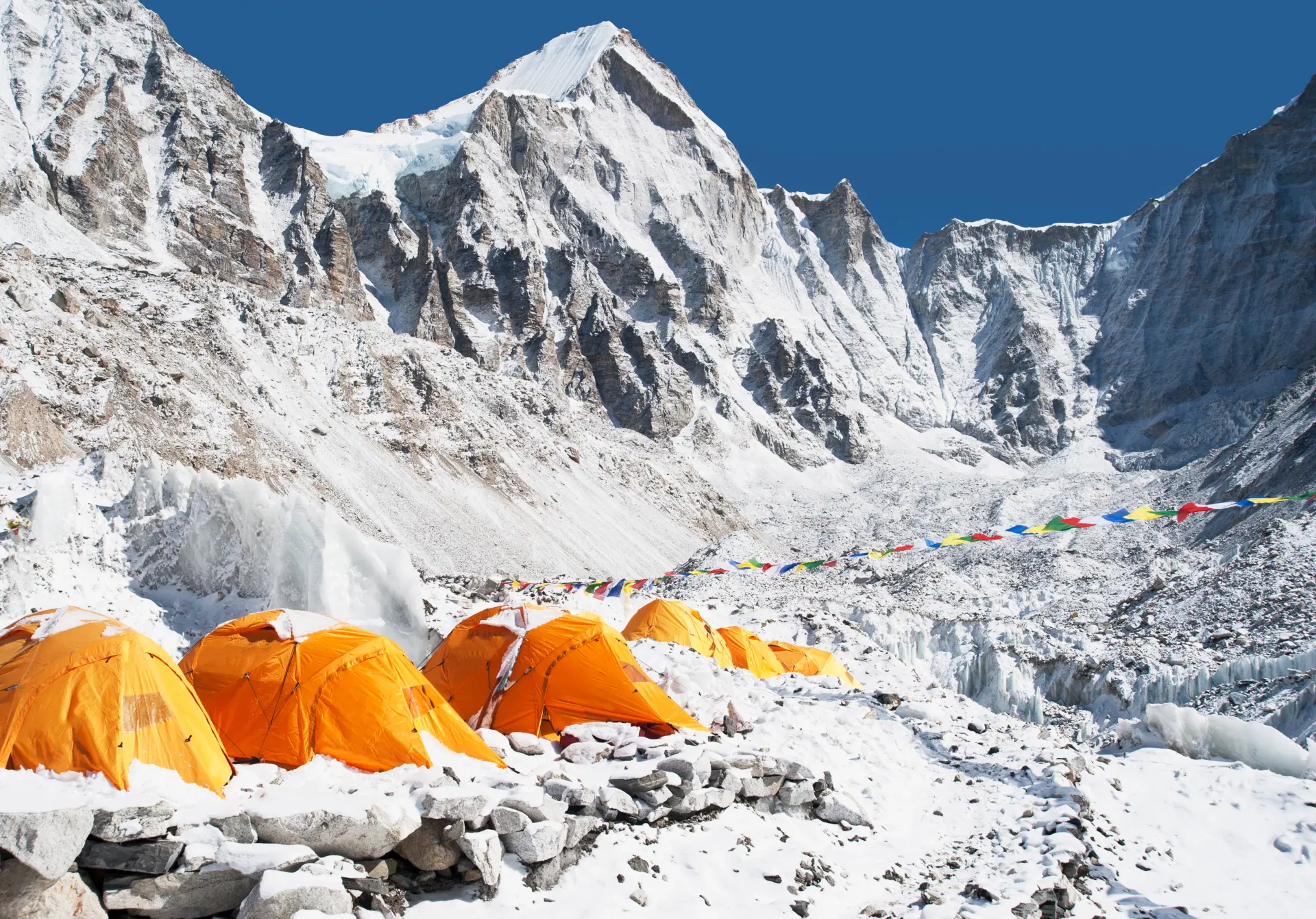
Trekking in Nepal usually means walking for several days through mountain landscapes, staying overnight in teahouses, which are small family-run lodges, or camping in tents on more remote trails. Most routes do not need any technical climbing skills. What is required instead is a healthy and fit body, proper acclimatisation, and a well-organised support team.
Most trekkers in Nepal visit one of three main areas: the Everest (Khumbu) region, the Annapurna region, and, more recently, the Manaslu region. You can find more details about each one below.
Best Treks in Nepal: An Overview of the Top Routes
Let’s compare a few of the top trekking destinations in Nepal, so you can make suitable decisions based on time available, fitness level, and personal interest.
Everest Base Camp Trek (EBC)
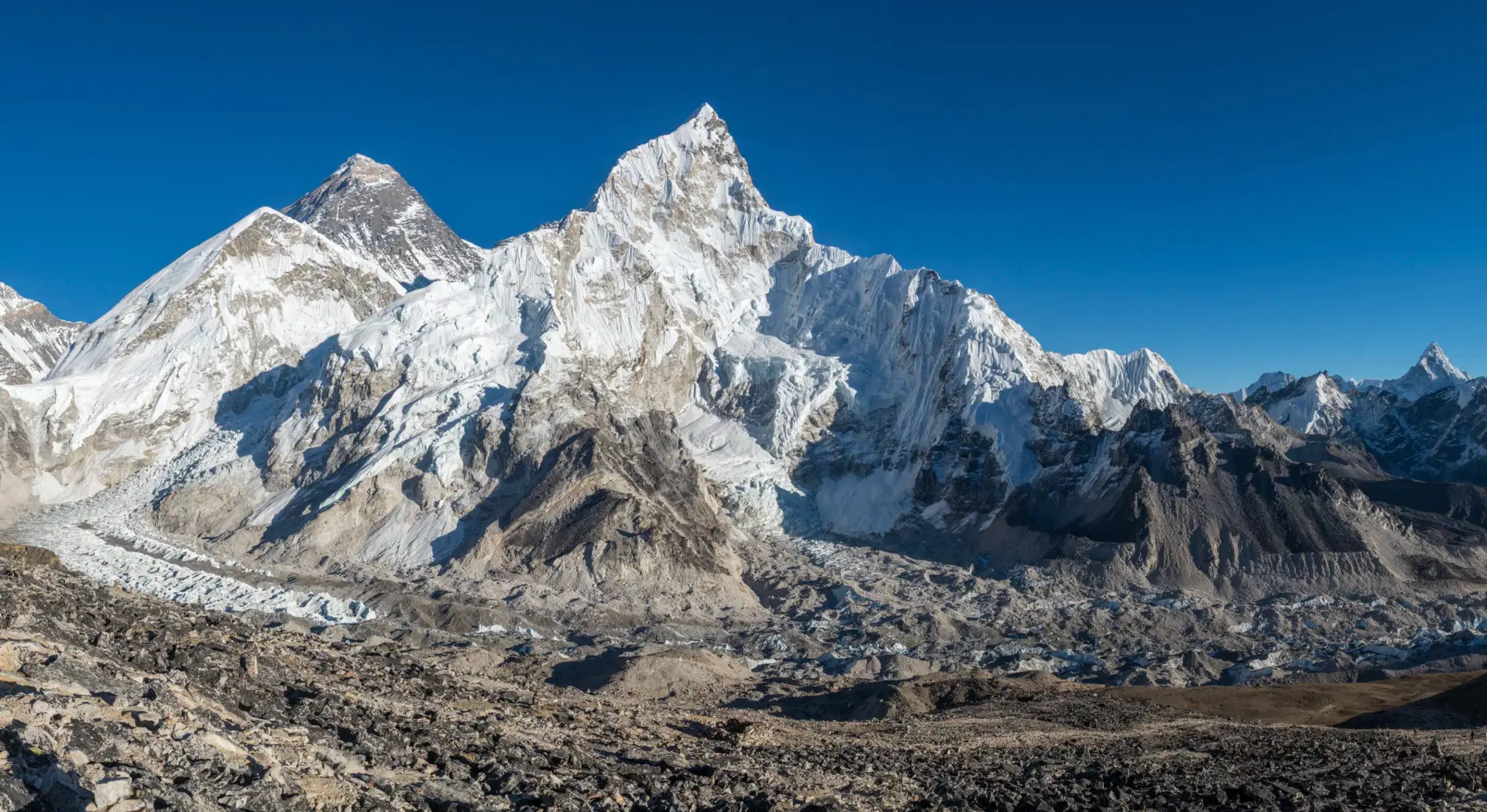
Many people see the Everest Base Camp Trek as the most iconic trekking route in the world. Most trekkers complete the round trip from Lukla in twelve to fourteen days. Along the way, you pass through Sherpa villages, visit centuries-old monasteries like Tengboche, and enjoy dramatic views of Everest, Lhotse, Nuptse, and Ama Dablam. For the best view of Everest’s summit without needing a mountaineering permit, most people climb Kala Patthar, a high viewpoint above Gorak Shep.
Kala Patthar isn't included in the trek because it's easy. It's there because you can't actually see Everest from Base Camp. Nuptse blocks the view. The hike up Kala Patthar starts before dawn, usually around 4 or 4:30am, with temperatures often between -15°C and -20°C. You'll need a headlamp, and you'll feel the cold and the thin air at over 5,500 meters. But the reward is worth it: the summit catches the first sunlight, turning Everest gold while the valley below is still in shadow. By trekking standards, it's a short climb, just a couple of hours, and almost everyone says it's worth waking up early.
A moderate to challenging fitness level is required for this trek, largely due to the altitude (Everest Base Camp sits at approximately 5,364 meters) rather than technical difficulty.
Annapurna Base Camp Trek (ABC)
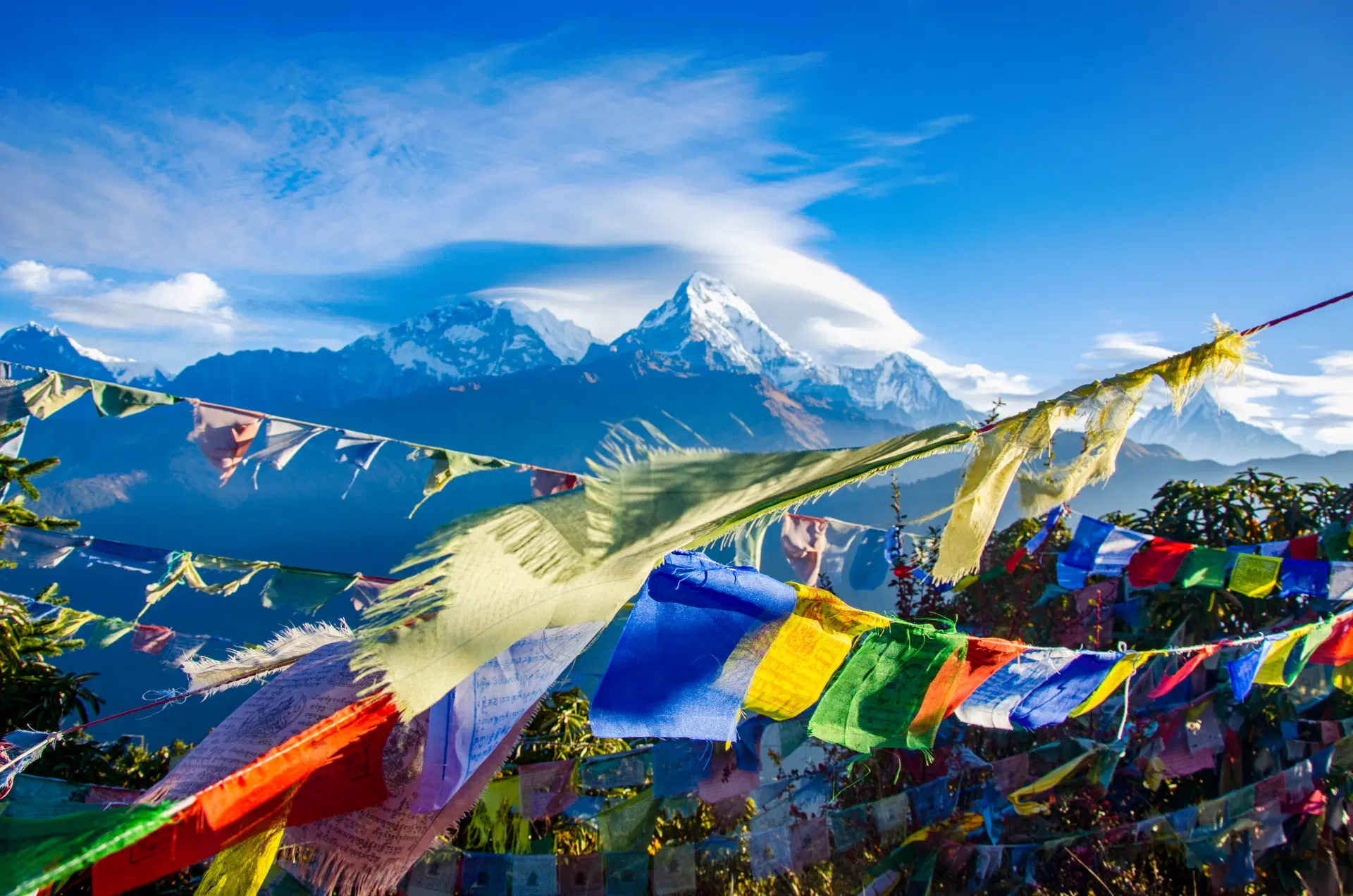
The Annapurna Base Camp Trek is the second most popular trek in Nepal. It is a great choice for first-time trekkers because its highest point, about 4,130 meters, is much lower than Everest Base Camp. Total completion time for ABC Trek is around 7-12 days. We start near Pokhara, a beautiful lakeside city that you can reach by a short flight or 7-8 hours drive from Kathmandu.
This route is famous for its dramatic views of the Annapurna range, which look like a natural amphitheater. Along the lower parts of the trail, you will also pass through subtropical forests, terraced farms, and traditional Gurung and Magar villages.
Annapurna Circuit Trek
The Annapurna Circuit Trek is a longer and more varied journey. On this trek, you cross subtropical lowlands, high alpine deserts, and the dramatic Thorong La Pass at 5,416 meters, all in one trip. Most people complete the trek in twelve to eighteen days, depending on the route and whether they use jeep transport to skip some sections.
This trek is often recommended for travelers who want to see as much of Nepal’s geography as possible in one trip, since it covers a wide range of landscapes and climates.
Manaslu Circuit Trek
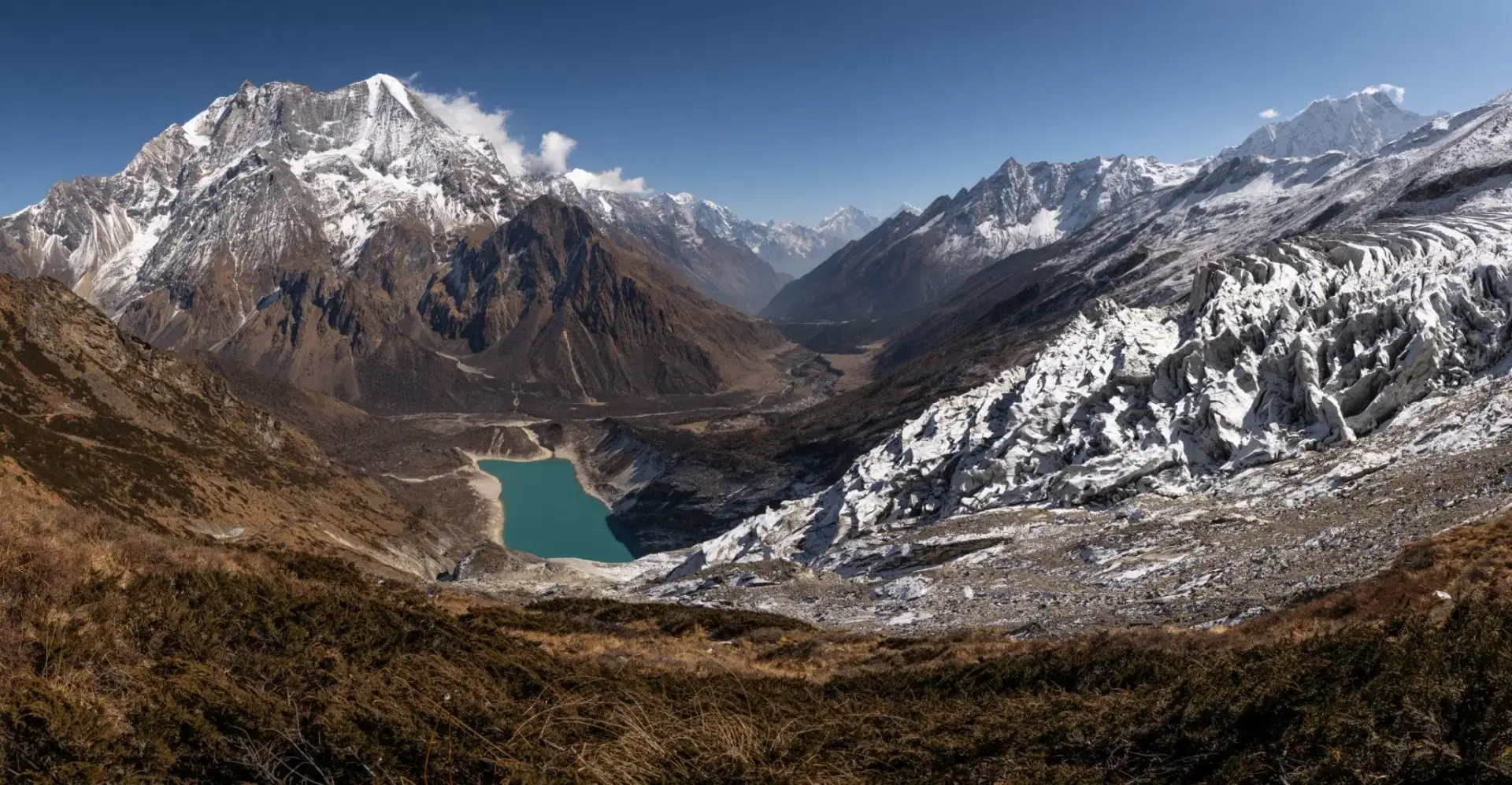
The Manaslu Circuit Trek is a quieter and increasingly popular option. It circles the world’s eighth-highest mountain and sees far fewer trekkers than the Everest or Annapurna routes. You’ll experience a real sense of remoteness, especially in the villages near Samagaon and around Larkya La Pass at 5,160 metres. You need a restricted area permit for this trek, so it must be arranged in advance through a registered trekking agency.
Comparing the Four Major Treks
| Trek | Duration | Difficulty | Maximum Altitude | Starts/ Ends |
|---|---|---|---|---|
| Everest Base Camp Trek | 12–14 days | Hard | 5,364 m | Kathmandu |
| Annapurna Base Camp Trek | 7–11 days | Moderate | 4,130 m | Pokhara |
| Annapurna Circuit Trek | 12–18 days | Moderate | 5,416 m | Kathmandu |
| Manaslu Circuit Trek | 14 days | Hard | 5,160 m | Kathmandu |
Other Notable Routes
There are several other treks worth mentioning. The Khopra Trek and Muktinath–Jomsom Trek are both in the Annapurna region. The Gosaikunda Trek takes you to the sacred alpine lakes in the Langtang region. For those seeking a truly remote adventure, the Kanchenjunga Base Camp Trek explores one of the least-visited parts of the Nepali Himalaya.
Nepal Trek Cost: What Should Be Budgeted
Cost varies based on trekking routes, how long the trek will be, how many people are in your group, and what level of comfort you want. But here’s a general breakdown to help you plan realistically.
- Permits and park fees: Usually range from $30–50 per trek, depending on the trekking region.
- Guide and porter fees: Guides typically charge $25–35 per day, while porters charge around $20–25 per day.
- Accommodation: Basic teahouse rooms are affordable, usually costing $2–10 per night. Meals generally make up the largest portion of daily expenses.
- Domestic flights: Flights on routes such as Kathmandu–Lukla are charged separately and are often affected by weather, so it's wise to include 1–2 buffer days in your itinerary.
- Travel insurance: Comprehensive travel insurance covering high-altitude trekking and emergency helicopter evacuation is essential for all trekkers.
A fully organized package that includes permits, guides, porters, accommodation, and airport transfers is usually better value and much less stressful than arranging everything yourself. This is especially true for first-time visitors to Nepal.
Nepal Trek Permits: What Is Required
You need permits for almost all the treks listed above. It’s best to get these through a registered local agency rather than on your own, because the rules change from time to time and mistakes can cause delays at checkpoints.
- TIMS Card (Trekkers' Information Management System): Required for some trekking routes, particularly where it remains applicable. Requirements vary by region and current regulations.
- Sagarmatha National Park Permit: Mandatory for all treks in the Everest (Sagarmatha) region.
- Annapurna Conservation Area Permit (ACAP): Required for trekking within the Annapurna Conservation Area.
- Restricted Area Permits (RAP): Mandatory for treks in restricted regions such as Manaslu, Upper Mustang, Upper Dolpo, Kanchenjunga, Nar Phu, and Tsum Valley. These permits can only be obtained through a licensed trekking agency, and most restricted areas require at least two trekkers accompanied by a licensed guide.
Because permit requirements can change, it’s a good idea to check the latest requirements with a trusted trekking agency before you book your trip.
Food During Trekking: What Can Be Expected on the Trail
Let's break down food on the trail, since it's one of the questions we as an agency get most.
General Food Availability
Most meals on trekking routes are cooked fresh in teahouse kitchens. You will usually find a standard menu at each stop, including dal bhat (lentils, rice, and vegetable curry), noodle soups, potato dishes, and simple pasta. As you get farther from the road, menus become more limited, and prices go up because supplies have to be carried in by porters or mules.
Vegetarian Food Availability
Vegetarian food is easy to find throughout Nepal, and vegetarian trekkers are often very well looked after. Dal bhat is usually vegetarian and most teahouses offer unlimited refills, so it is a filling and reliable choice for long days on the trail.
Special Dietary Requirements
If you need gluten-free, dairy-free, or other special meals, most requests can be met if you give advance notice. However, options become more limited as you go higher and farther from towns. That’s why it’s important to tell your trekking agency about your dietary needs before your trip, so they can plan and bring the right supplies.
Kosher Food Arrangements Availability
Kosher food is an important concern for many Israeli travelers, and Shalom Treks addresses this directly. Because teahouse kitchens are not kosher, kosher meals are usually prepared by a dedicated cook who travels with the group. The cook uses separate pots, utensils, and ingredients that are sourced and checked in Kathmandu before the trek. Shabbat is also planned into the schedule, with rest days arranged so that no trekking or strenuous activity is needed on Shabbat. Meals and rest for Shabbat are organized in advance. This kind of planning needs real local knowledge, so it’s best to discuss your dietary and religious needs with a specialized agency as early as possible.
Altitude Sickness: What Should Be Understood
Altitude sickness, or Acute Mountain Sickness (AMS), is a serious risk on high-altitude treks like EBC, ABC, the Annapurna Circuit, and the Manaslu Circuit. It happens because there is less oxygen at higher elevations and can affect anyone, regardless of age or fitness level. Being physically fit does not guarantee you will avoid it. Common symptoms are headache, nausea, dizziness, and trouble sleeping. If you notice any of these, tell your guide right away instead of ignoring them. In rare cases, AMS can become much more serious and even life-threatening if you keep going higher.
Several precautions are built into well-designed itineraries specifically to reduce this risk:
| Precautions | How It's Applied |
| Gradual ascent | Elevation gain is limited to roughly 300–500 metres per day once above 3,000 metres. |
| Acclimatisation days. | Rest days are built into the schedule at key points. Rest well at Namche Bazaar and Dingboche, for example, on the EBC route. |
| Hydration and pacing. | Steady fluid intake and a slower walking pace are emphasised by experienced guides throughout the trek. |
| Preventative medication. | Diamox and similar options may be discussed with a doctor before departure, though this remains a personal medical decision. |
This is why experienced local guides are essential, not just a luxury. They can spot AMS symptoms early and know when it is time to go down, which can make the difference between a safe trek and a dangerous one.
Emergency Rescue: How It Works in Nepal
Before booking any trek, make sure you have a clear emergency rescue plan. Even small problems can become serious at high altitude or in remote areas without road access. Helicopter evacuation is the usual method for handling emergencies on most trekking routes in Nepal. This is why you need travel insurance that clearly covers high-altitude helicopter rescue, as many standard policies do not include it. A trekking agency with strong local connections and round-the-clock monitoring can arrange a rescue much faster than an independent trekker, who may have only spotty phone or satellite service.
Safe Travel Information: Nepal as a Destination
Nepal is known as a safe destination for travelers, including those visiting alone or for the first time. This is thanks to the welcoming local communities along the trekking routes. Still, there are a few practical safety tips to remember.
Women's Safety
More solo female trekkers are choosing Nepal's main routes, and many people say these areas are safer than many cities around the world. Even so, solo female travelers are advised to join guided treks, especially on longer or remote routes. Having a guide offers local knowledge and extra security.
24/7 Assurance
Any reliable trekking agency should offer 24/7 support, not just during your trek but also before you leave and after you return. Make sure you have an emergency contact number, access to satellite or radio communication on remote trails, and a clear plan for handling medical or logistical problems before you book.
Family Travellers: Trekking in Nepal with Children
Family treks are becoming increasingly popular, and several routes are well suited to this purpose. The right choice depends mainly on the age of the children involved and how much altitude exposure the family is comfortable with.
| Trek Route | Maximum Altitude. | Typical Duration |
Best Suited For |
|---|---|---|---|
| Poon Hill Trek | ~3,210 m | 4–5 days | Younger children, first time trekkers, and families looking for a short, scenic trek |
| Annapurna Foothills (Short Loop) | ~2,500–3,000 m | 3–6 days | Families wanting beautiful scenery with minimal altitude risk |
| Langtang Valley Trek (Shortened) | ~3,800 m | 6–8 days | Older children and families seeking a moderate trekking experience |
| Everest View Trek (No Base Camp) | ~3,880 m | 7–9 days | Families wanting Everest views without the challenges of reaching Base Camp |
Here’s a helpful tip: what really makes a family hike successful is the plan, not the destination. It’s better to create a route that matches your child’s pace instead of focusing on which trail to pick. It is better to ask for a family-specific plan rather than changing a regular group plan, because the speed, breaks, and meal times can be set to accommodate children and less experienced walkers. Private family trips also offer much more flexibility than joining a fixed group schedule, since you don’t have to keep up with faster hikers.
What to Pack for Trekking in Nepal
Experienced trekking agencies take packing just as seriously as fitness or acclimatization. The wrong gear at high altitude is not just uncomfortable; it can actually cut your trek short. Most of the items on the list below are based on layering, because temperatures on routes like EBC or the Annapurna Circuit can go from warm in the daytime to well below freezing at night.
| Category | Key Items |
|---|---|
Upper Body
| Moisture-wicking base layers, insulating fleece or down jacket, waterproof/windproof shell, long-sleeve trekking shirts |
| Lowe Body | Trekking pants, thermal leggings, waterproof rain trousers |
| Socks & Underwear | Moisture-wicking trekking socks, warm wool socks for higher altitudes, quick-dry underwear |
| Footwear | Broken-in waterproof trekking boots with ankle support, lightweight camp shoes, gaiters (if snow is expected) |
| Head & Hands | Warm beanie, sun hat, neck buff, UV-protection sunglasses, inner gloves, insulated outer gloves |
| Sleep System | Four-season sleeping bag (comfort rating −10°C to −15°C), sleeping bag liner, duffel bag for porter carry |
| Personal Essentials | Headlamp with spare batteries, adjustable trekking poles, 2 L reusable water bottles, water purification tablets or filter, sunscreen (SPF 30+), SPF lip balm, small first aid kit, power bank |
| Optional Extras | Lightweight crampons (for icy conditions in early spring or late autumn), camera, playing cards or a book for rest days, energy bars, earplugs |
Personal Medication and First Aid
You should carry your own antiseptic wipes, bandages, pain relievers, and any personal medication, even if your guide has a group medical kit. If your doctor has approved Diamox for altitude sickness, add it to your personal kit too.
Documents and Permits
Always carry a copy of your passport and visa, along with the permits needed for your route. This includes the TIMS card and either the Sagarmatha National Park Permit or Annapurna Conservation Area Permit, depending on your trek. Trekking agencies usually arrange these in advance, but it is still a good idea to keep your own copies.
Luggage Notes
Where porter service is included, personal gear is generally packed into a single duffelbag, kept to a maximum of around 10–12 kg per trekker, with valuables and daily essentials carried separately in a daypack of 25–35 liters. For anything not brought from home, gear can usually be rented or bought in Kathmandu or Pokhara at a reasonable price, and that is detail worth knowing for travelers who would rather not check an oversized bag for a single trek.
Luxury and Private Treks Options
You should not assume that trekking in Nepal always means simple places to stay and shared bathrooms. There are usually three main levels of experience, and knowing the difference helps you have the right expectations before you book:
| Category | Standard | Luxury | Private |
|---|---|---|---|
| Accommodation | Shared teahouse rooms | Premium lodges with private bathrooms (where available) | Choice depends on the selected package |
| Transportation | Shared jeeps and/or domestic flights | Private vehicles and domestic flights | Private transportation throughout the trip |
| Group Size | Fixed departure group | Fixed or small group | Family or privately organized group only |
| Itinerary Flexibility | Set by the itinerary | Set by the itinerary | Fully flexible and customizable |
Private tours are arranged for those who prefer not to join a set group departure. A private plan lets the pace, rest days, and daily start times be changed to fit the specific needs of the traveler or family booking it. This is especially appreciated by older trekkers, families with young children, and travelers with dietary or religious needs, as it is easier to handle in a smaller, dedicated group.
Why Travelers Should Choose Shalom Treks
Shalom Treks is a Kathmandu-based agency created especially for Israeli and Jewish travelers who want their dietary needs, religious observance, and safety to be a real priority. This isn’t just a claim. We have earned a 5.0-star rating on TripAdvisor, a 2026 Travelers' Choice award, and are ranked #1 out of 167 Nature & Parks attractions in Kathmandu. These results don’t happen by accident. They show that trekkers are cared for by the same small team, trip after trip.
Customized Itinerary
There’s no one-size-fits-all plan here. Deb, the agency’s general manager, personally works with each traveler to create an itinerary that matches their fitness, schedule, and the sights they want to see. This attention doesn’t stop before the trip starts.
Luxury Packages
When possible, lodges, meals, and transport are upgraded for travelers who want a more comfortable trekking experience. This means better rooms, better food, and private vehicles instead of shared ones whenever it can be arranged. This is a standard part of how the agency works.
Private Tours
Families, couples, and small groups can book private trips and set their own pace instead of joining a fixed group. Many travelers come back for a second trek with Shalom Treks because of our services and the way we care about each trekker throughout the journey.
Family-Friendly Treks
When families trek with children, daily distances and pacing are adjusted for them, instead of using a schedule meant for fit adults
Special Dietary Arrangements
We plan for vegetarian, vegan, gluten-free, and kosher needs before the trek starts, not leave them to chance during the trip. For kosher groups, a dedicated cook joins the group, ingredients are prepared in advance, and Shabbat rest is included in the schedule. This is our official approach to match all special dietary arrangements.
Safe and Comfortable Assistance
Deb and our team from the Kathmandu office keep in touch with trekkers every day during their trips. One reviewer shared that Deb checked in with her group daily on their Everest Base Camp trek. Our support has been tested in difficult situations. During Nepal's COVID border closures, Deb and our team helped stranded Israeli travelers get home. When a storm forced a last-minute change on another trip, we rebuilt the itinerary instead of canceling. Travelers remember this kind of real support from us, not just a nice-looking safety page.
Hebrew-Speaking Assistance
One thing that really stands out is that an Israeli traveler, Eyal Malka, reviewed us in Hebrew and said Deb is the kind of person you can trust without hesitation, which is rarewhen traveling. This was not a marketing translation. It was a traveler using his own language, confident we would understand. That shows our real connection with Israeli travelers, more than any promise of "Hebrew support" ever could.
Experienced Local Guides
We pick guides for each route and trekker, not just assign them randomly. Arjun has led trips on the Manaslu Circuit and in the Everest region. Kajiman has guided groups to Everest Base Camp and Island Peak. Joseph is often mentioned by trekkers who return from the Annapurna Circuit in their reviews. Our porters, like Tashi, Shyam, Raj, and Nima, are also named by past trekkers as experienced, caring and helpful local guides again and through times.
What truly sets us apart is not just one thing. Our same small team of Deb, Lama, Arjun, Kajiman, Joseph, and our guides and porters are named in over 200 independent reviews.
For travelers choosing who to trust in a new country, seeing these names again and again is much more reassuring than any list of promises.
FAQs(Frequently Asked Questions)
1. Which trek in Nepal is the best?
- There is no single best trek since it depends on your time and fitness level. However, Everest Base Camp and the Annapurna Circuit are Nepal's two most famous and highly rated routes.
2. Where is the best place to trek in Nepal?
- The Everest (Khumbu) and Annapurna regions are Nepal’s top trekking areas. They offer the best trails, plenty of teahouses, and the biggest mountain views.
3. How much does a trek in Nepal cost?
- A classic 10- 14 day trek like EBC or the Annapurna Circuit usually costs about $1,000 to $1,800, which covers permits, food, a guide, and accommodation. Budget trekkers can manage on about $35 to $50 per day.
4. Is Annapurna trek for beginners?
-Yes. Shorter routes like Poon Hill are beginner-friendly, with well-maintained trails, plenty of teahouses, and minimal altitude sickness risk. The full Annapurna Circuit needs moderate fitness but no technical skill.
5. What food to carry / bring on a trek?
-Pack energy bars, nuts, dried fruit, chocolate, and electrolyte powder for the trail. Teahouses along the route serve full meals like dal bhat, noodles, eggs, and soup, so you only need to bring snacks.
6. What are the top 5 hidden treks in Nepal you shouldn't miss?
–Tsum Valley, Upper Dolpo, Nar Phu Valley, Makalu Base Camp, and Khopra Danda (or Pikey Peak for a shorter trek) are all quieter alternatives to Everest and Annapurna. These routes have fewer crowds and offer more cultural immersion.
7. Can Jewish travelers keep kosher on a Nepal trek?
-Yes. Shalom Treks arranges a dedicated cook, separately sourced ingredients, and kosher-supervised supplies for the whole trip, with Shabbat rest days built into the itinerary so observant travelers don't need to compromise their practice to reach Everest Base Camp or Annapurna.
-We cannot say we provide cooks on the trek, we provide Kosher food in ABC, EBC and other several regions with our Kosher Meal partners in Nepal.